Sign up
 Login
Login
Is a Nursing Career Right For You?
Take The Free QuizCommunication Skills Every Healthcare Professional Needs
Communication Skills Every Healthcare Professional Needs
Effective communication is one of the most important skills in healthcare. It affects patient safety, teamwork, and trust. Whether someone works at a bedside, clinic, or long-term care facility, clear communication helps prevent errors and improves outcomes. Many healthcare students develop these skills early while attending practical nursing night classes, where real-world communication is practiced alongside clinical training.
The necessary communication skills that every healthcare professional should possess are discussed in this article, along with their importance and practical applications in everyday healthcare environments.
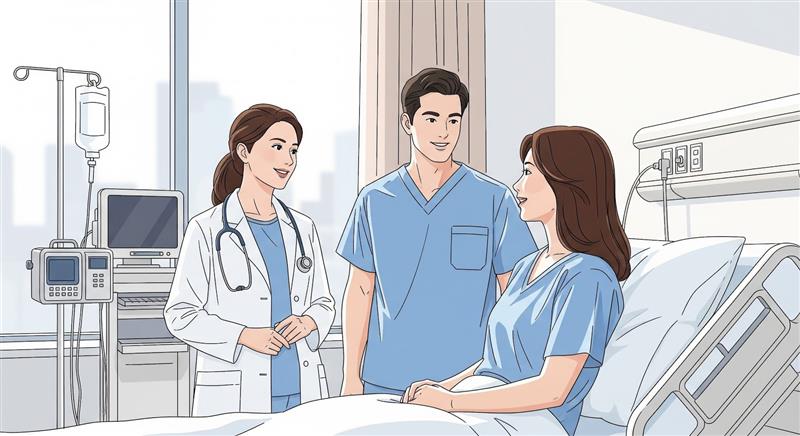
Key Takeaways
- Strong communication improves patient safety and reduces medical errors
- Listening skills are as important as speaking clearly
- Team communication supports better care coordination
- Cultural awareness builds trust with diverse patients
- Documentation and handoff communication protect continuity of care
Effective Communication Between Healthcare Professionals
Effective communication between healthcare professionals is the foundation of safe and high-quality care. When nurses, physicians, and support staff share accurate information clearly and on time, patients receive better treatment. Poor communication, on the other hand, can lead to misunderstandings, delays, or serious errors.
This type of communication includes verbal discussions, written documentation, and digital tools such as electronic health records. It also involves knowing how to speak up professionally, confirm information, and ask questions when something is unclear. Healthcare environments move fast, so communication must be direct, respectful, and precise. Developing this skill builds confidence, strengthens teamwork, and improves overall patient outcomes.
Active Listening and Patient Understanding
Active listening is one of the most valuable communication skills in healthcare. It means giving full attention to patients, coworkers, and supervisors without interrupting or rushing the conversation. Many patients struggle to explain symptoms clearly, so listening carefully helps identify important details that may affect care decisions.
This skill also includes reading non-verbal cues such as body language, tone, and facial expressions. When patients feel heard, they are more likely to trust healthcare providers and follow treatment plans. Active listening reduces frustration, improves accuracy in assessments, and supports compassionate care in busy healthcare settings.
Clear and Simple Verbal Communication
Healthcare professionals often work with patients who are anxious, in pain, or unfamiliar with medical terms. Using simple language instead of technical jargon helps patients understand their condition and treatment. Clear verbal communication ensures instructions are followed correctly, especially for medications, procedures, and aftercare.
Professionals must adjust their communication style depending on the situation. Speaking calmly during emergencies, explaining steps slowly to patients, and confirming understanding are all part of this skill. Many training programs at nursing schools in Chicago IL, emphasize clear communication because it directly impacts patient safety and satisfaction.
Team Communication and Collaboration
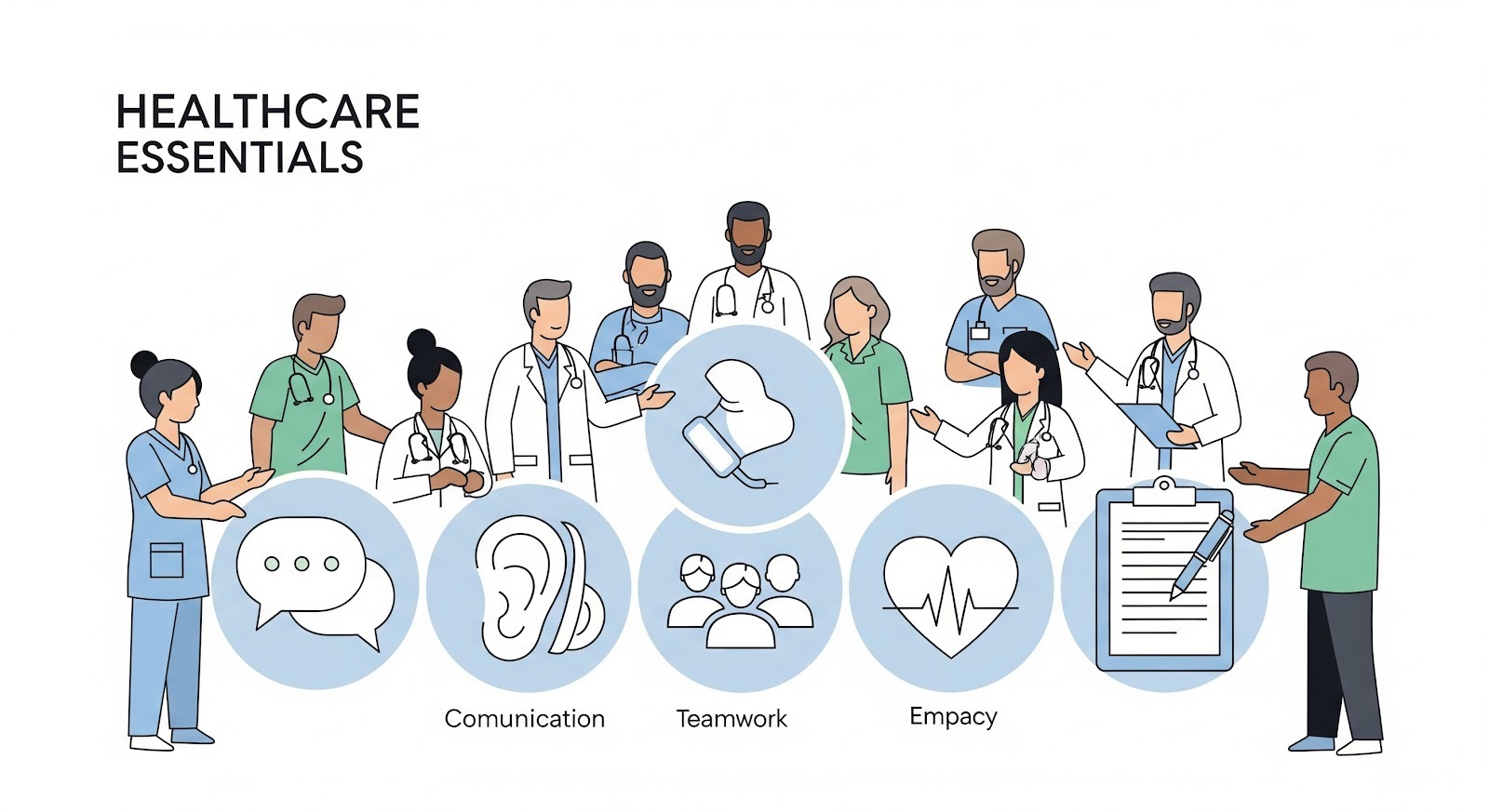
Healthcare is a team effort. Nurses, doctors, technicians, and support staff must work together smoothly. Strong team communication helps coordinate care, reduce duplication of tasks, and prevent missed information. This includes giving clear reports during shift changes, sharing updates during rounds, and communicating concerns promptly.
Respectful collaboration builds trust among team members. When healthcare professionals feel comfortable speaking up, problems are identified early. Good teamwork communication also reduces workplace stress and improves morale, which benefits both staff and patients.
Cultural Awareness and Emotional Intelligence
Patients come from different cultural, social, and educational backgrounds. Cultural awareness helps healthcare professionals communicate respectfully and avoid misunderstandings. This includes understanding language barriers, health beliefs, and family involvement in care decisions.
Emotional intelligence plays a key role here. Recognizing emotions in patients and responding with empathy builds strong relationships. When healthcare professionals show respect and compassion, patients feel valued and supported. These skills enhance the patient experience and foster open communication about symptoms and concerns.
Accurate Documentation and Written Communication
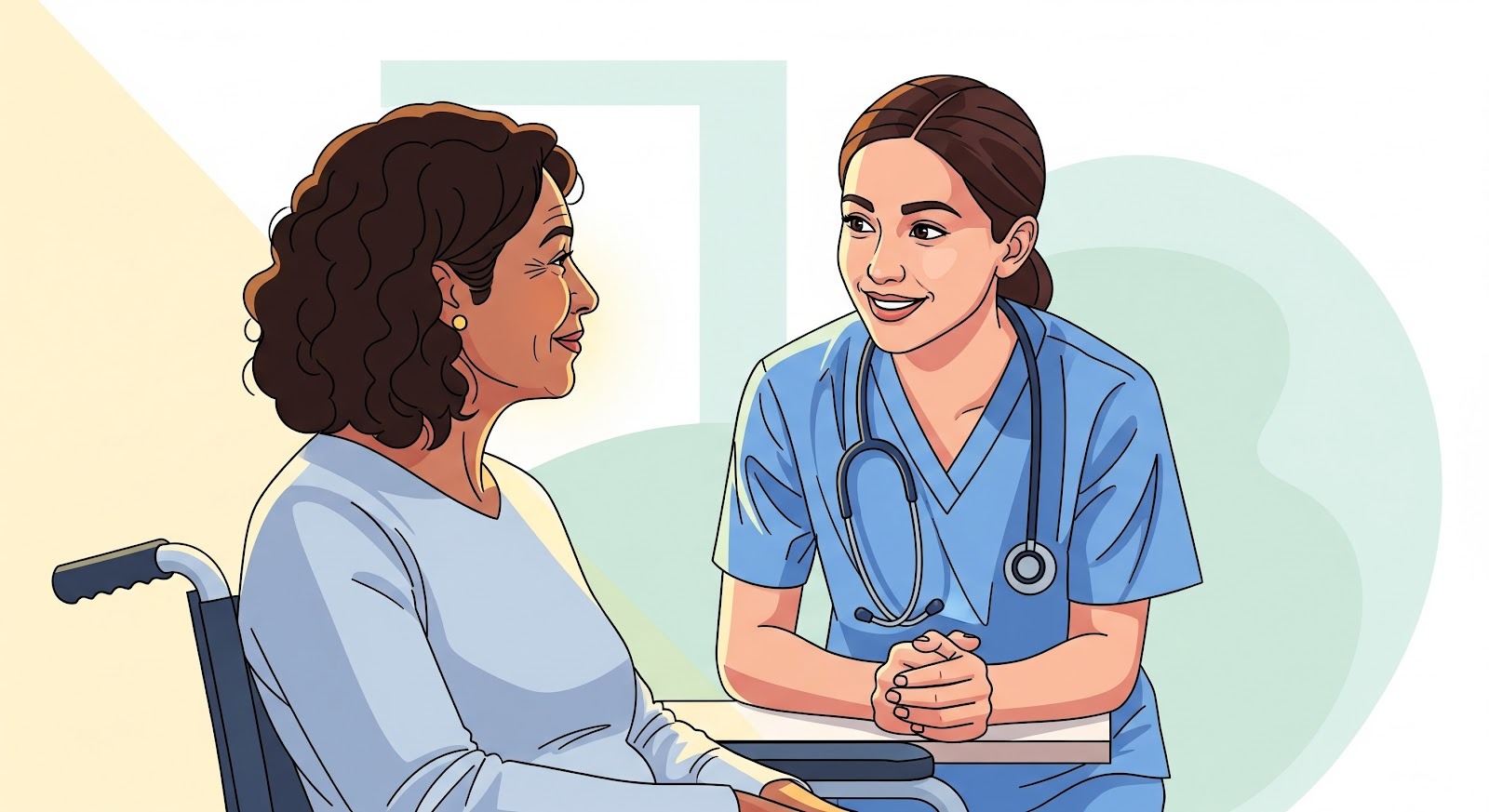
Written communication is just as important as verbal communication in healthcare. Compliance with laws and continuity of care are guaranteed by reliable documentation. Notes must be clear, timely, and complete so that other team members can rely on them.
This includes charting patient observations, administering medication, and developing care plans. Errors or vague notes can cause confusion and impact patient safety. Learning to document correctly is a critical professional skill and supports accountability across healthcare teams.
Conclusion
Strong communication skills are essential for anyone working in healthcare. They improve patient trust, teamwork, and safety across all care settings. From listening carefully to documenting accurately, each skill supports better outcomes. Effective communication between healthcare professionals ensures that care is coordinated, respectful, and patient-centered. Education, profession, and practical experience particularly in hands-on training settings like licensed practical nursing programs near me all contribute to the development of these skills.
Want to Make a Career in Nursing? Get More Information About Our Courses!
FAQs
- Why is communication important in healthcare?
Communication prevents errors, improves patient understanding, and supports teamwork. It directly affects safety and quality of care. - What are the most important communication skills for healthcare workers?
Active listening, clear verbal communication, teamwork, cultural awareness, and accurate documentation are essential. - Can communication skills be learned during healthcare training?
Yes. Most healthcare programs teach communication through clinical practice, role-playing, and real patient interactions.
Most Popular Blogs Posts
Hypoxia in Nursing Guide: Causes, Signs,…
October 22, 2026 Read More
Kidney Fluid Balance Nursing Guide: How…
October 21, 2026 Read More
What Is Stroke Volume? Understanding How…
October 20, 2026 Read More
5 Signs an LPN Program Provides…
October 19, 2026 Read More